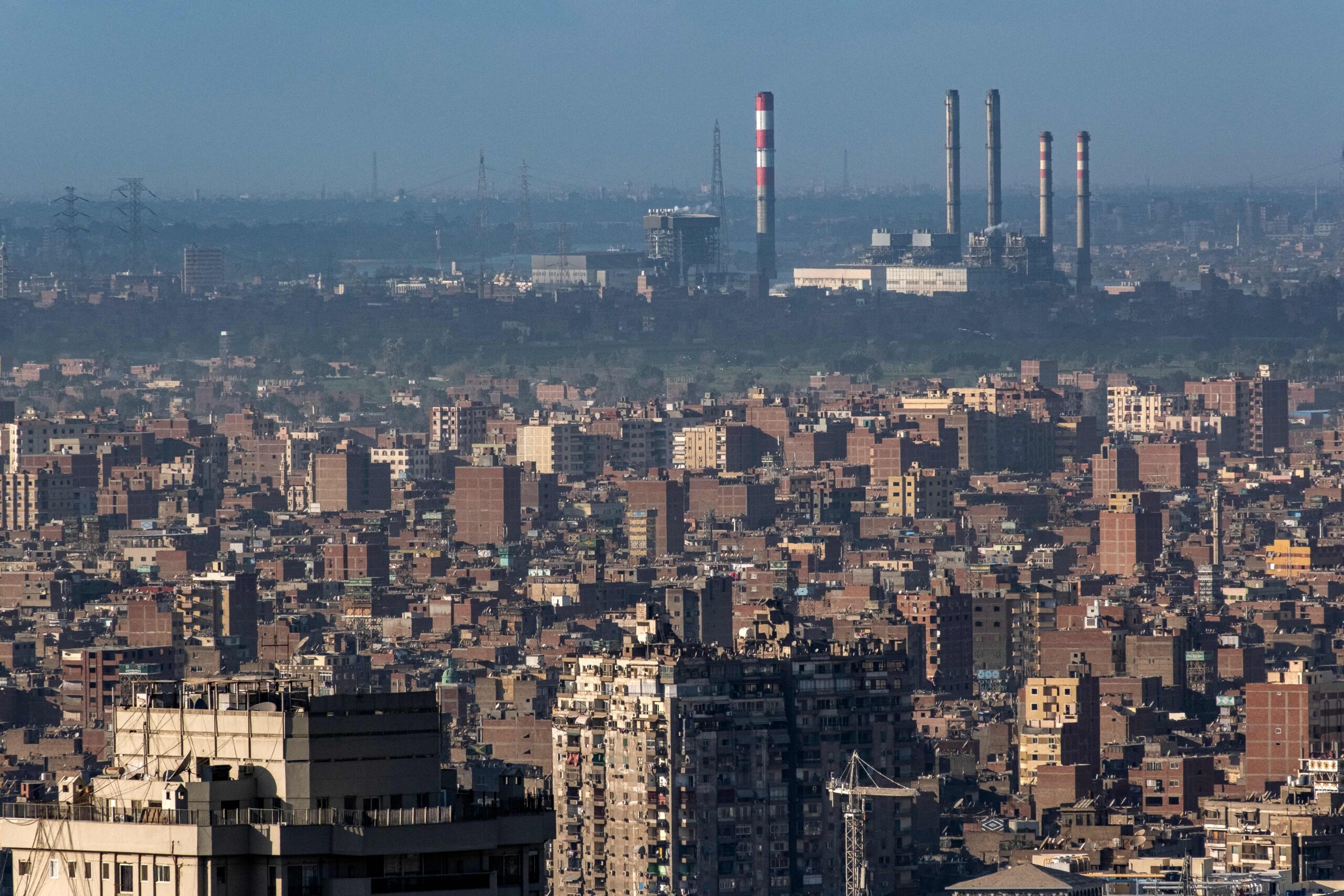
For more than a century, the Middle East has been one of the world’s most important centres of energy supply. Yet a strategic paradox remains at the heart of its energy architecture: a region that exports oil and gas across the world still lacks a coherent framework for exchanging energy within itself. Electricity grids, regulations, markets and much of the region’s energy infrastructure continue to be designed and governed primarily within national boundaries. Meanwhile, the nature of the energy challenge is changing. Rising electricity demand, extreme heat, desalination, rapid solar deployment, the digitalisation of economies and the emergence of hydrogen are creating challenges that will become increasingly difficult to manage solely at the national level. This is where an idea […]
This article was sourced from Middle East Monitor.
Read Full Article on Middle East Monitor →